
In a world obsessed with hydration gadgets, stainless steel water bottles dominate gadget blogs, Amazon best-seller lists, and gym bags everywhere. They promise durability, insulation, and “non-toxic” safety over plastic. But a viral X (Twitter) thread and accompanying video have millions questioning that assumption — revealing that cheap stainless steel thermoses and bottles can leach metals linked to skin issues like eczema, metallic tastes, rust, and long-term health concerns.
The post (viewed nearly 900K times) warns: Stainless steel thermoses have been shown to cause skin diseases like eczema. It urges checking codes on the bottom and avoiding suspect ones. The attached video (by health influencer Drew Canole in similar viral clips) dramatically shows rashes, bottle base markings, acidic orange liquid pours, and animated “toxins” entering a child’s body — concluding with “don’t use thermoses” and suggesting glass instead. Here’s the truth backed by material science: High-quality 18/8 (also called 304 or SUS304) or premium 316 stainless steel bottles are safe, food-grade, and excellent for daily use. Cheap knockoffs (often 201 or 430 grades) are the real problem — and they’re flooding the market at bargain prices. Understanding Stainless Steel Grades: Why “Stainless” Doesn’t Mean Safe
Not all stainless steel is created equal. The key is the alloy composition, which determines corrosion resistance, leaching risk, and food safety.
- 18/8 or 304 Stainless Steel (18% chromium, 8% nickel): The gold standard for food-grade water bottles, kitchenware, and insulated flasks. Excellent rust resistance for everyday use, BPA-free, no metallic taste with plain water, and globally certified (FDA/EU compliant). Affordable yet reliable.
- 316 Stainless Steel (adds 2-3% molybdenum): “Medical-grade” or marine-grade premium option. Superior against acids (lemon water, coffee, sports drinks), salts, and chlorides. Minimal leaching even in harsh tests; ideal for frequent acidic beverage users or coastal/humid environments. Slightly more expensive but lasts longer.
- Cheap 201 or 430 Grades: These cut corners with high manganese/low nickel (201) or ferritic iron-heavy alloys (430). Marketed as “stainless” but not reliably food-grade for prolonged liquid contact. Prone to pitting, rust spots (especially inside after months), and leaching heavy metals/nickel/chromium when exposed to acidity, heat, or minerals.
Real-world test example (from manufacturer comparisons): In a 24-hour high-salt/acid soak simulating sweat or juice:
- 201 grade: Visible orange rust spots, holes, murky particles, and metal release.
- 304/316: Shiny, unchanged, no leaching.
A simple magnet test often works: True 304/316 (austenitic) is non-magnetic; cheaper 430 sticks strongly. Look for stamped markings on the bottom interior (remove any sleeve): “18/8”, “304”, “316”, “SUS304”, or “Food Grade.” Avoid vague “stainless steel” or tiny/no markings.
Health & Practical Risks of Cheap Bottles (Backed by Evidence)
Cheap grades aren’t just flimsy — they compromise:
- Leaching: Acidic drinks accelerate nickel/chromium/manganese release, potentially triggering histamine responses, rashes, or sensitivities (especially in kids or nickel-allergic people). Water alone may be fine short-term, but daily use with coffee/juice amplifies risks.
- Rust & Contamination: Interior pitting ruins taste, harbors bacteria, and shortens lifespan (replace in months vs. years).
- Durability Fail: Dents easily, insulation fails faster, ends up as landfill waste.
- Hidden Costs: Initial $10 savings leads to repeated buys + potential doctor visits for unexplained symptoms.
Reputable sources confirm 304/316 meet strict food-contact standards with negligible risks for normal use; 201 does not under prolonged exposure.
Watch this for deeper context: Drew Canole’s style video (search “stainless steel bottle bottom Drew Canole” on YouTube/Instagram) highlights the issue visually — or check the original X thread for real-user bottle codes and discussions. For balanced testing, see “What is the Safest Water Bottle Material?” on YouTube (compares grades, notes nickel allergies as the main caveat for quality steel).
Buyer’s Guide: How to Choose (and Spot) Quality Stainless Steel Bottles
- Insist on 18/8 (304) minimum; upgrade to 316 for acidic/hot drinks or premium longevity.
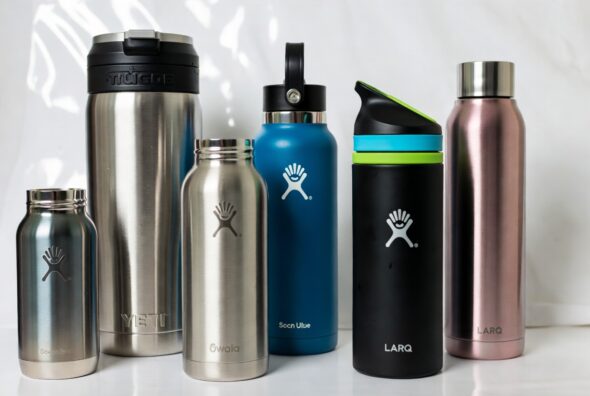
- Brands that deliver: Hydro Flask, Yeti, Owala, LARQ, or Mountop-style (explicitly state inner grade + certifications). Check product specs — avoid unbranded Amazon no-names.
- Certifications: FDA, BPA/lead/phthalate-free, RoHS, ISO.
- Pro Tips: Hand-wash preferred; vinegar/baking soda cleans mineral buildup (not true rust). For ultimate peace, consider glass-lined or double-wall with confirmed inner 316.
- Price Signal: Under $15-20 for a quality insulated 20-40oz? Red flag for corners cut.
Pro Tip for SEO-savvy shoppers: Search “18/8 stainless steel water bottle 316 inner” + brand reviews before buying.
The Bottom Line: Invest Once, Stay Safe & Hydrated Cheap stainless steel water bottles aren’t a bargain — they’re a false economy risking health, performance, and the planet. Stick to verified 18/8 or 316 grades, check those bottom markings, and you’ll enjoy pure-tasting, rust-free hydration for years. Your body (and skin) will thank you. Next time you’re gadget shopping, remember: “Stainless” is marketing — 18/8 or 316 is engineering.
