
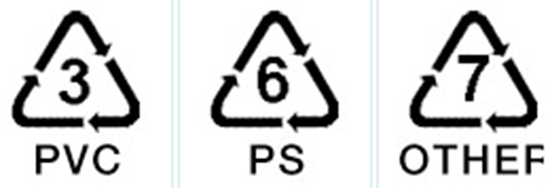
I have been meaning to write about which plastics to avoid. Not entirely gadget related, but very important information. You know the plastics that are known to leak toxins such as 3 (Vinyl or PVC), 6 (Polystyrene), and 7 (Miscellaneous). What spurred this rant about “bad” plastics? I was recently having lunch with a friend at the Apple cafeteria which had Zico Pure Premium Coconut Water… which I bought… and subsequently threw away after I saw the #7 plastic rating.
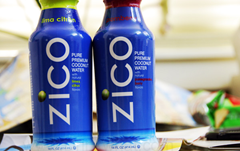
“Hello, my name is Zico… I like to use words like natural, nutritious, pure, etc… and then put my wonderful coconut flavored drink in a #7 type plastic so the consumer has no idea what potentially toxic plastic I may/may not be using.”
Read on for details of what these plastic rating numbers mean after the break.
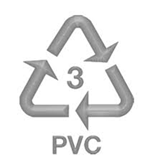 Number 3 Plastics
V (Vinyl) or PVC.
Found in: It’s used in some cling wraps (yikes!), many children’s toys, fashion accessories, shower curtains, and detergent and spray bottles. To top it off, PVC isn’t recyclable, either.
Why? Number 3 plastics may release toxic breakdown products (including pthalates) into food and drinks. The risk is highest when containers start wearing out, are put through the dishwasher or when they are heated (including microwaved). PVC manufacturing can release highly toxic dioxins into the environment, and the materials can off-gas toxic plasticizers into your home.
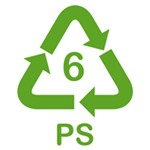 Number 6 Plastics
PS (polystyrene)
Found in: Disposable plates and cups, meat trays, egg cartons, carry-out containers, and some plastic cutlery
Why? Number 6 plastics can release potentially toxic breakdown products (including styrene). Particularly when heated! It has been found to leach styrene-a neurotoxin and possible human carcinogen-and has been banned in cities like Portland, Ore. and San Francisco. Still, it persists and is not often recyclable in curbside programs, though some recycling centers will take it.
Number 7 Plastics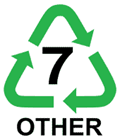
Miscellaneous
Found in: Baby bottles, three- and five-gallon water bottles, certain food container. A wide range of plastic resins that don’t fit into the other six categories are lumped into number 7. Some are quite safe, but the ones to worry about are the hard polycarbonate varieties, as found in various drinking containers (like Nalgene bottles) and rigid plastic baby bottles.
Why? Studies have shown polycarbonate can leach bisphenol A, a potential hormone disruptor, into liquids. According to Trasande, no level of bisphenol A exposure is known to be truly safe, and in August a government panel expressed ‘some concern’ that the ingredient causes neural and behavioral problems in children.
[Via]
