
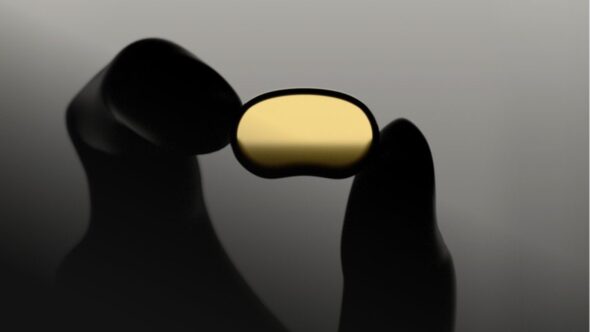
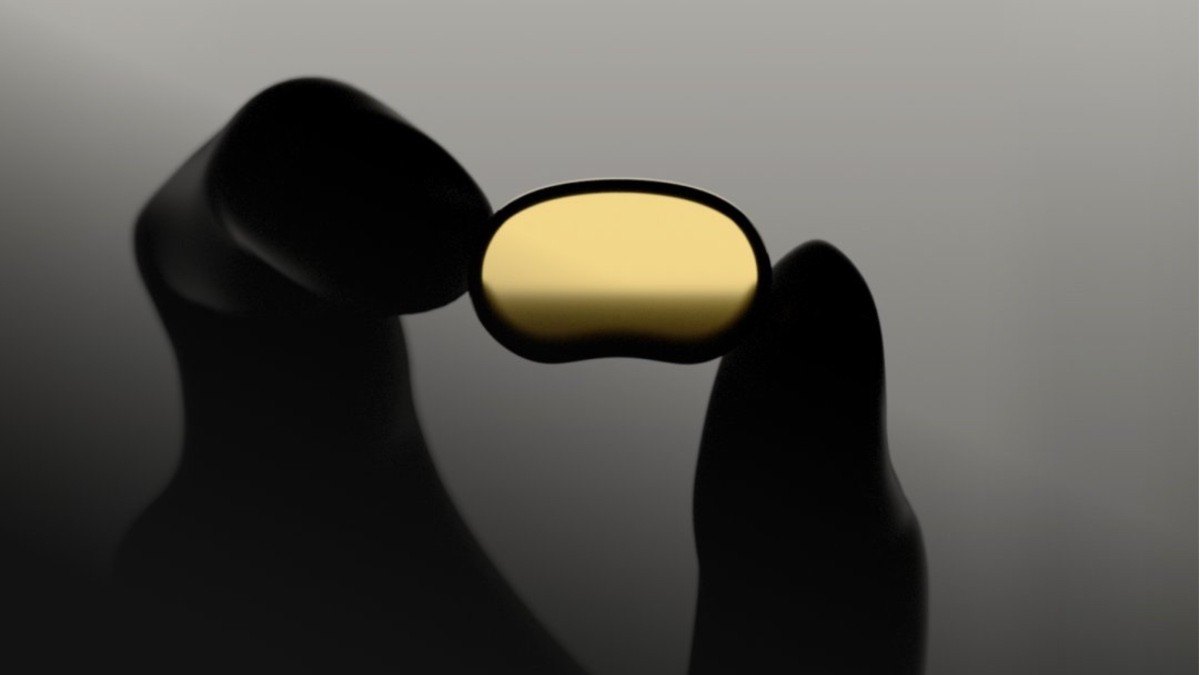
A gold bean stuck to your forehead for about Rs 85,000 (roughly $1,000). That is Temple, the sticky temple wearable from Zomato founder Deepinder Goyal, and it is currently winning the internet the hard way. Pre-orders opened Nov. 1 at temple.com. By Nov. 5, Indian doctors on X were calling it a scam, Goyal was firing back with a $30 million defense, and the fight was an X trending story.
This is not a verdict. It is a fair look at what Temple says it measures, what the papers actually show, and why the argument got so loud.
What Temple claims to measure
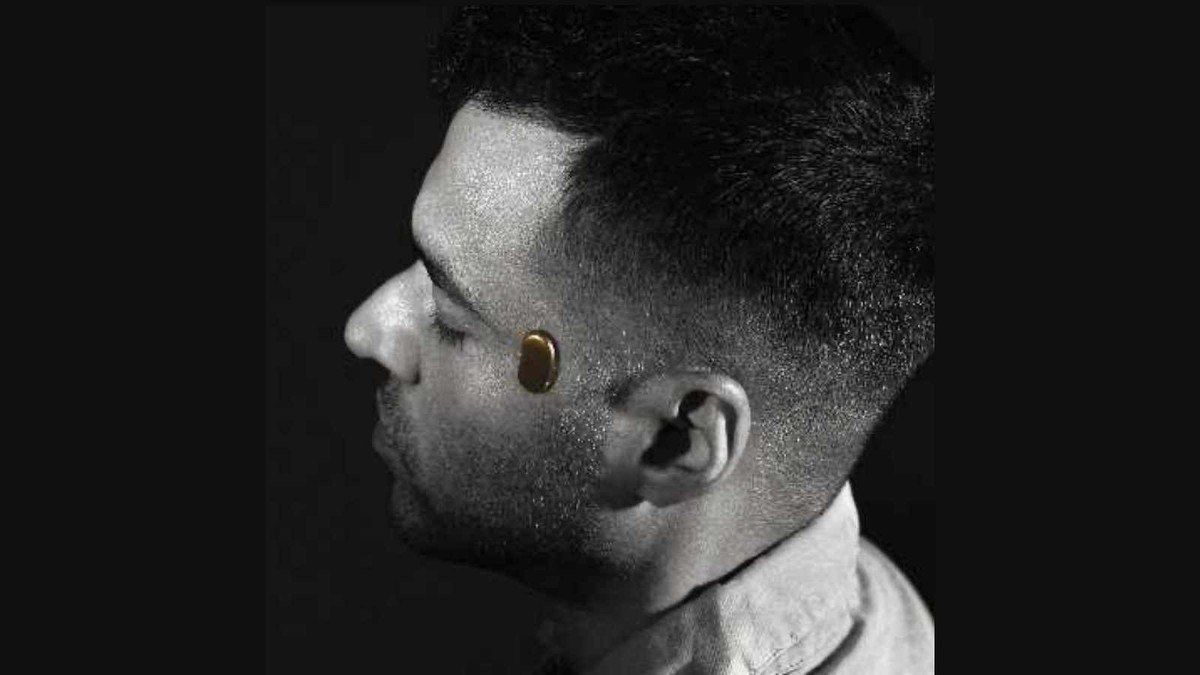
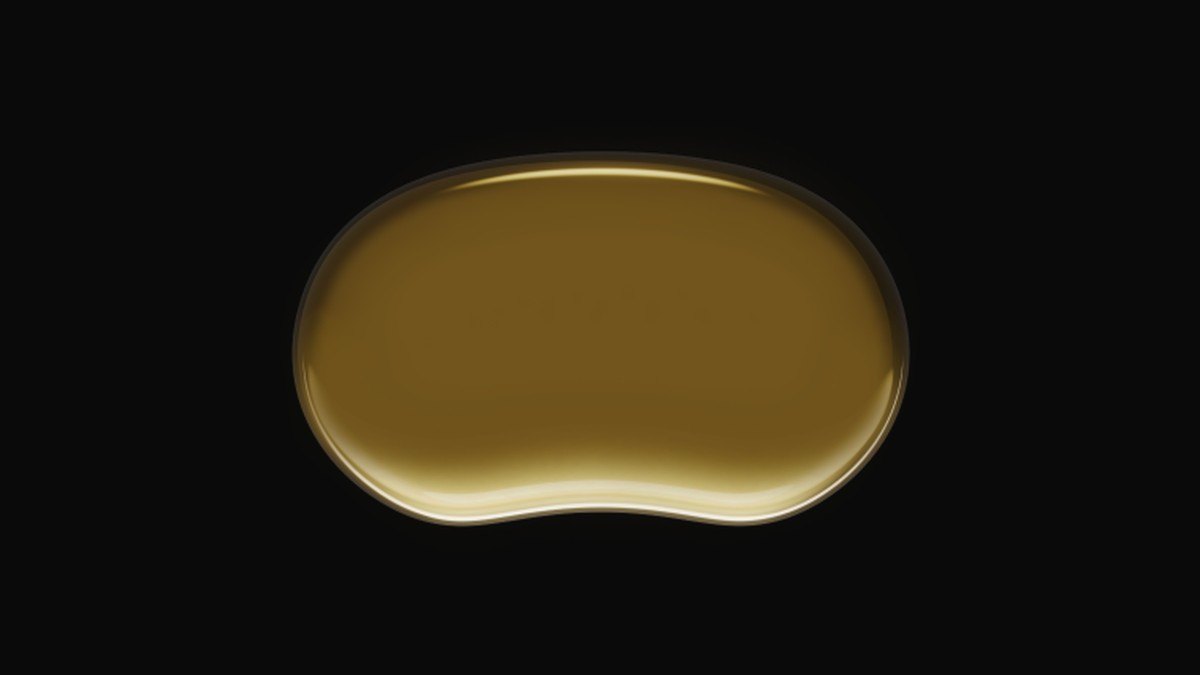
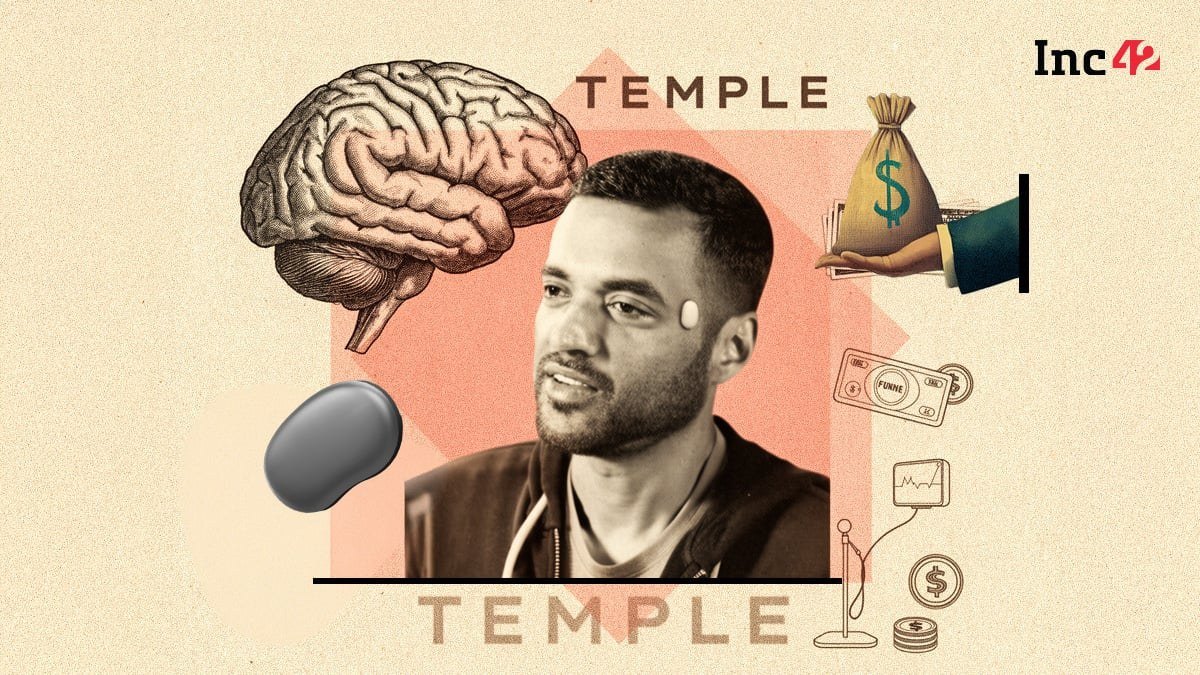
Temple is a small optical sensor that sticks near the side of your forehead with an adhesive grip. On its science page, Temple markets BrainFlow as a reading tied to blood volume and flow signals near the brain, plus heart rate and a score it calls Entropy. The homepage leans harder on Entropy, Resting Entropy, Entropy Max and Span, framed as how hard your body is working to shed heat. Early-access listings put the price around Rs 85,000 with a lifetime subscription; press notes that the company had not formally locked the final price. Devices are made to order, with delivery talked about in months, not days.
Temple has not sold this as a medical device. Its own terms say the data should not replace a professional medical check.
The “Desi Theranos” thread
Hepatologist Dr. Cyriac Abby Philips, who posts as TheLiverDoc, published a slide deck calling Temple “Desi Theranos” and arguing that a skin-side optical sensor mostly sees facial blood, that Temple funded its own studies, that the key papers are still preprints, and that no outcome studies show Temple helps anyone make a better health decision. His detailed slides post is here:
For those asking for the detailed post on Desi Theranos and Atma Nirbhar Bharat Elizabeth Holmes, here it is in detailed slides #scam #Temple #TechNews
— TheLiverDoc (@theliverdoc) November 4, 2026
Gizbot read the three Temple papers against that thread. On the core question, whether Temple truly isolates brain blood flow, Temple’s own researchers say a lot of what Philips says, only more politely. Some sharper slides (secret sensors, buried delays, “data fraud”) do not match what is written in the methods. Temple head of science Avi Roy replied publicly, thanked Philips for the pressure, and accepted the bigger points: Temple designed, funded and ran these studies, they are preprints, there are no health-outcome studies yet, and the site’s “independent validations” wording should change.
Goyal’s defense
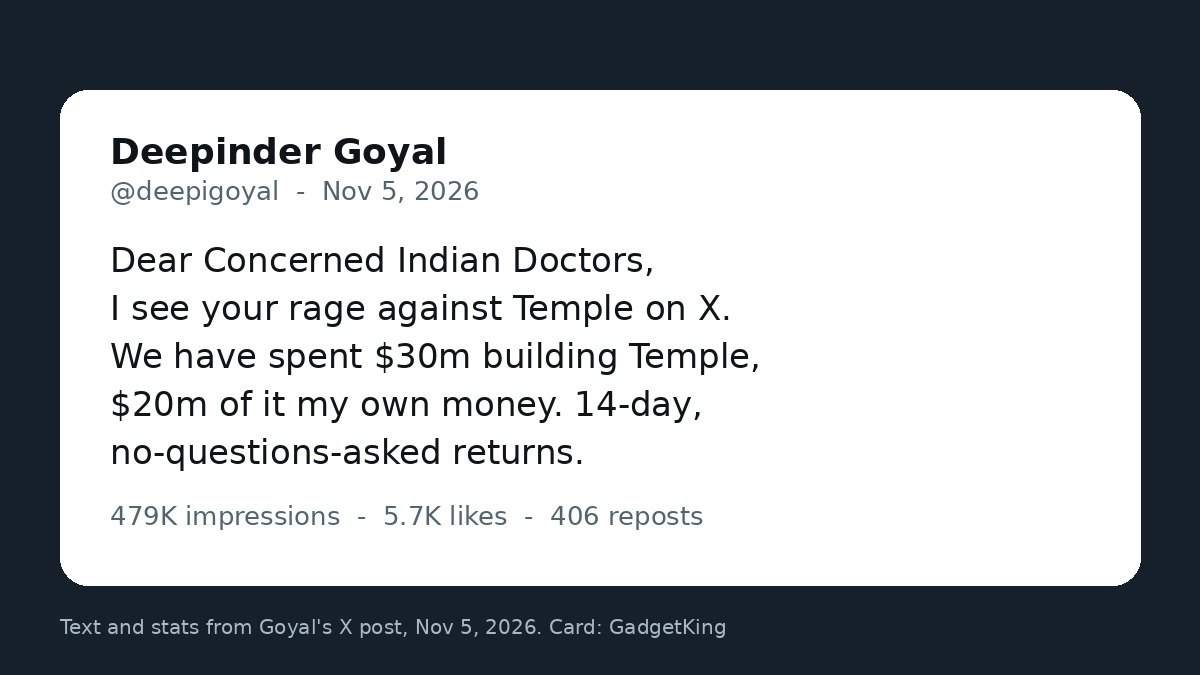
Goyal’s reply is the other half of the viral loop. He says Temple has already spent $30 million, $20 million of it his own money; offers 14-day, no-questions-asked returns; left the Eternal CEO role to chase the product; and argues a scam that fails in a few days of use is not a scam anyone would run. Full text:
Dear Concerned Indian Doctors, I see your rage against Temple on X. We have spent $30m building Temple, $20m out of which is my own money. We have 14-day, no-questions-asked returns…
— Deepinder Goyal (@deepigoyal) November 5, 2026
What the evidence does and does not say
The Indian Express walked clinicians through the claims. A temple sensor can pick up a real physiological signal. That is not the same as measuring blood flow across the whole brain, diagnosing neurological disease, or predicting how fast you will age. Temple’s own papers are small, mostly young healthy volunteers, still unreviewed, and company-linked. Correlations against lab tools in challenge tests are interesting. They are not proof that BrainFlow is a clinical brain monitor, and nobody serious is claiming peer-reviewed outcome data yet.
GadgetKing take
Temple is a pricey early-access wearable wrapped in a founder fight. If you treat Rs 85,000 as a bet on experimental hardware and can use the return window, that is your call. If you want a tracker with years of outside testing, cheaper bands already exist. Either way, wait for the independent studies both sides now say they want before treating any forehead number like a medical fact. And no, we are not diagnosing your brain from a blog post.
Sources: temple.com, Temple science, Goyal on X, TheLiverDoc on X, X trending, Indian Express, Gizbot and Business Today. Images: product stills and Goyal portraits used editorially (01, 02, 03, 05) and a GadgetKing text card of Goyal’s defense (04).
More wearable experiments: the Memoket Gem AI note taker, Amazon’s Bee Frontier wristband, the Google Fitbit Edge and the Augmental MouthPad tongue mouse.
